
Local SEO Strategies for Small Businesses
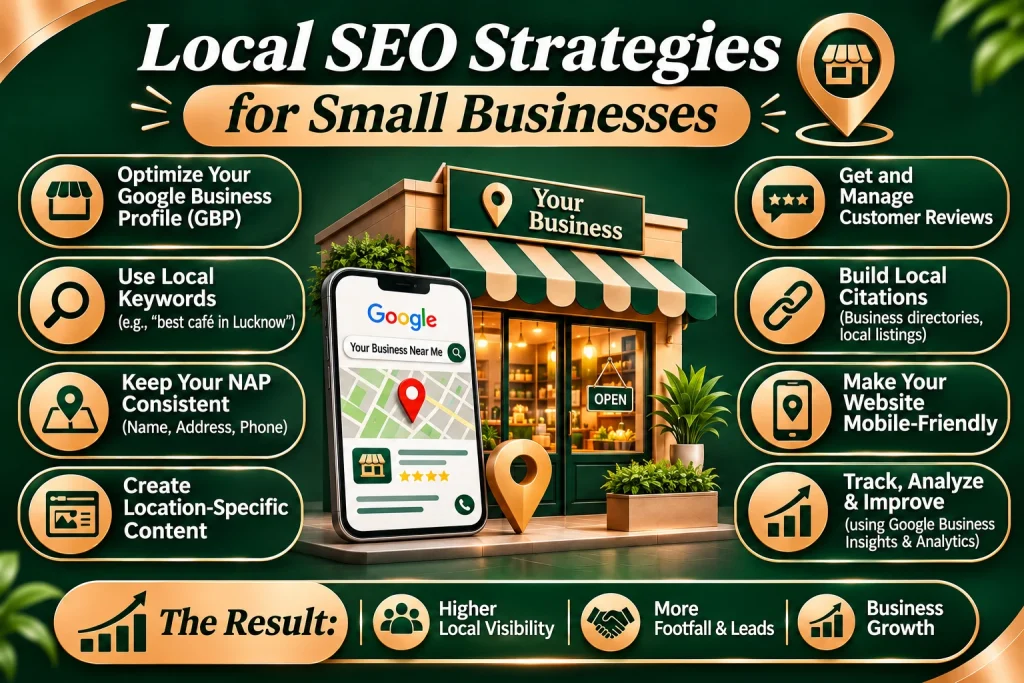
If you run a small business, you already know that your local community is the backbone of your success. Whether you are running a cozy neighborhood coffee shop, managing a fast-moving roofing crew, or styling customers at a local boutique, you need a reliable way to get noticed. You need to be the business that pops up when someone nearby is looking for exactly what you offer.
That is where Local Search Engine Optimization (Local SEO) comes into play.
Think about it: when people want to find a service, buy a product, or grab a bite, they pull out their phones and search. Nearly half of all Google searches have “local intent.” Even better, the vast majority of people who do a local search end up walking through a physical storefront within 24 hours. If your business isn’t showing up in those moments, you are essentially handing your hard-earned customers over to your competitors.
Let’s break down exactly how you can fix that. This guide will walk you through easy, realistic local SEO strategies that will rank your business higher, win more clicks, and turn online searches into real-world handshakes.
What on Earth is Local SEO anyway?
At its core, local SEO is just the process of making your business visible to people searching in your immediate geographic area. It is why a search for “best tacos” yields results down the street from where you are sitting, rather than a top-tier restaurant three states away.
While these searches happen on Google all day long, they also happen on map apps like Google Maps and Apple Maps.
Why You Want to Win the “Map Pack”
When you type something like “plumber near me” into Google, you’ll notice a distinct box at the top of the page. It features a map and showcases three local business profiles. In the SEO world, we call this the Google Local Map Pack.
Getting into this top three spot is your ultimate goal. Why? Because it captures nearly half of all the clicks on the page. It completely bypasses the regular website listings below it. If you can get your business featured here, your phone will start ringing.
Claim and Polish Your Google Business Profile
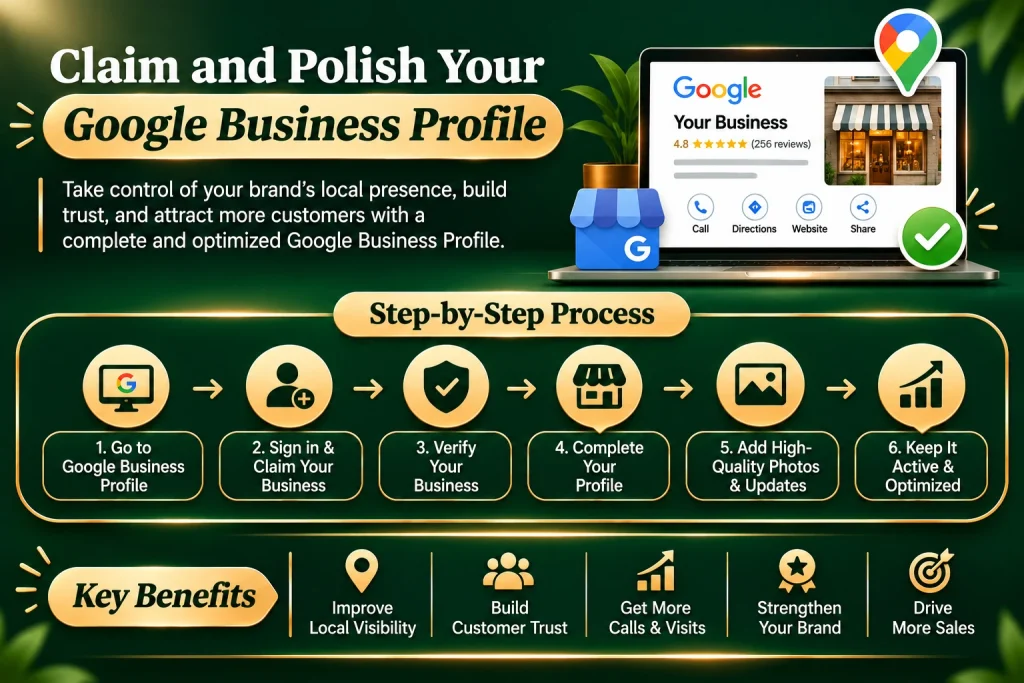
If you only have time to do one thing from this list, make it this one. Your Google Business Profile (GBP)—which you might remember as Google My Business—is your absolute most important asset. It is essentially your digital storefront across Google Search and Maps, and it won’t cost you a single cent.
• Claim and Verify It: Head over to the Google Business Profile site, claim your company, and complete the verification steps. Usually, Google will send you a text, give you a quick call, or ask for a brief video verification of your workspace.
• Keep Your Details Identical: Your business Name, Address, and Phone number (NAP) need to be perfectly consistent everywhere. If your website says “Main Street,” don’t type “Main St.” on your Google profile. Keep it matching perfectly so search engines don’t get confused.
• Pick the Right Categories: Be specific. If you run an Italian restaurant, don’t just pick “Restaurant.” Choose “Italian Restaurant” as your primary category, and add secondary categories to cover the rest of your menu.
• Write a Real Description: You have 750 characters to introduce yourself. Tell a brief story about who you are, what makes you different, and naturally mention the city or town you serve. Don’t just stuff keywords here; write it for a human.
• Post Updates Regularly: Treat your profile a bit like a social media page. Drop a post when you have a weekend sale, a new menu item, or an upcoming event. Active profiles tell Google that your business is alive and well.
• Show Off with Photos: Upload clear, bright photos of your team, the inside of your store, your products, or your workspace. Businesses with great photos get significantly more requests for driving directions than those without.
Keyword research for local businesses isn’t about chasing millions of views. It is about finding the exact phrases your actual customers type in when they are ready to pull out their wallets.
Keep it simple with these tactics:
• The Service + Location Formula: Start with the basics. Think phrases like “HVAC repair Austin” or “dental clinic downtown Miami”.
• Think Like a Customer: People rarely search for corporate industry jargon.
• Snoop on Your Competitors: Go look at the businesses currently winning the Map Pack in your area. Look at their websites and profiles. What phrases are they using in their main titles? Don’t copy them blindly, but use their success as a blueprinth
• Meta Descriptions: This is the short summary paragraph below your title. Make it inviting and clear. Tell the reader exactly what to do next.
A citation is simply any place online where your business’s Name, Address, and Phone number (NAP) are listed together. The more consistent listings you have across the internet, the more legitimate your business looks to search algorithms.
Keeping Your Listings Clean
• Hit the Big Players First: Make sure you are accurately set up on major platforms like Yelp, YellowPages, TripAdvisor, Bing Places, Apple Maps, and your official Facebook business page.
• Look for Neighborhood Opportunities: Getting listed on your local Chamber of Commerce website, regional business associations, or neighborhood blogs carries an incredible amount of local weight.
• Fix Old Mistakes: If you moved your shop three years ago or changed your business phone number, go track down those old listings and update them. Having conflicting information out there hurts your credibility with search engines.
Build a Strategy to Collect Reviews Enthusiastically
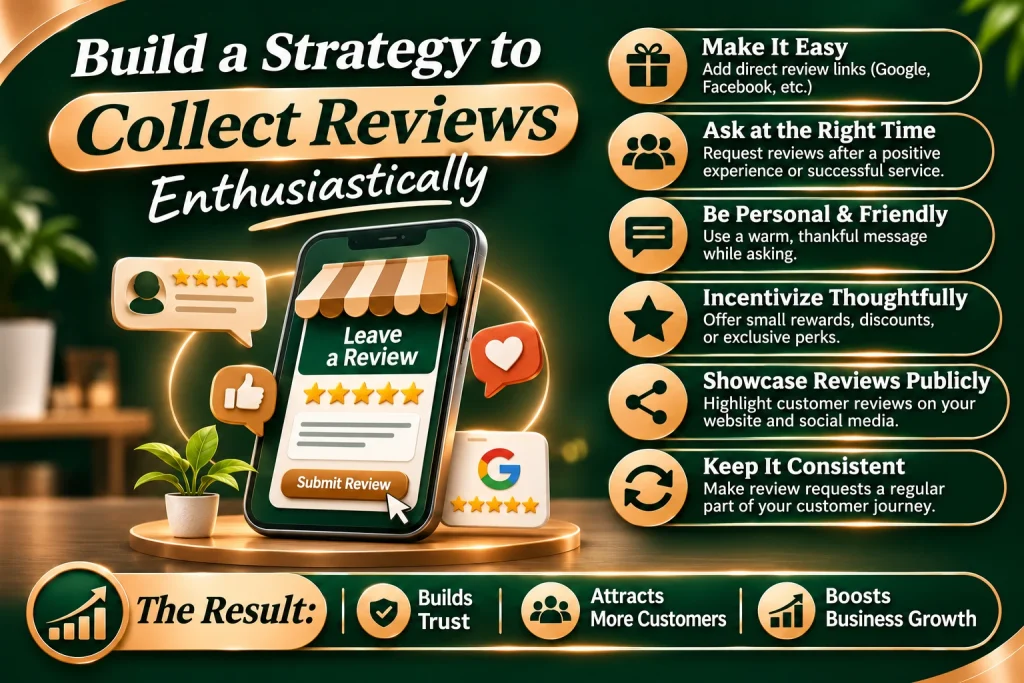
Google wants to recommend businesses that treat people well in the real world. Beyond that, positive reviews build instant psychological trust with potential customers who have never heard of you before.
• Just Ask Kindly: Train your team to ask for feedback right after a great experience.
• Make it Incredibly Easy: Don’t make people search for you. Grab your custom short review link straight from your Google Business Profile dashboard. Text it to them, email it as a follow-up, or print it out as a QR code at your checkout counter.
• Reply to Everyone: Always respond to your reviews. Thank the people who leave kind words. If you get a negative review, stay calm and professional. Don’t argue. Apologize for the bad experience, keep it brief, and offer an email or phone number to solve the issue privately offline.
• Never Buy Reviews: Do not offer discounts, free gifts, or cash in exchange for 5-star ratings, and never buy fake reviews. Google catches on to this quickly and will gladly suspend your entire profile.
Make Friends and Earn Local Links
Backlinks—which are simply links from other websites pointing to your website—are the lifeblood of general SEO. For local search, getting links from other trusted websites in your immediate area is pure gold.
• Sponsor a Local Team: Sponsor a Little League baseball team, a neighborhood charity run, or a high school club. These community organizations will almost always link to your business from their sponsors page.
• Write for Local Blogs: Reach out to local news outlets or community lifestyle blogs. Offer to share a helpful, non-salesy article based on your expertise (e.g., a local mechanic writing about “How to Prep Your Car for a Cold Chicago Winter”).
• Team Up with Neighbors: If you are a wedding photographer, talk to a local florist or a nearby venue. Highlight each other on your websites and link back and forth naturally.
Ready to Own Your Local Market?
Building out a great local SEO strategy isn’t something that happens overnight. It takes a bit of patience, consistency, and real-world effort. However, once those systems are in place, the payoff is incredible. By cleaning up your profiles, optimizing your pages, and staying active in your community, you’ll secure a steady stream of local leads for years to come.
Don’t let your competitors take over the top spots on Google Maps. Take action today and start putting your business on the map—literally.
Claim Your Free Local SEO Audit Now
Frequently Asked Questions

You will generally start seeing a noticeable shift in your local search visibility within 3 to 6 months of consistent effort. The exact timing depends on how competitive your city is and how well your competitors have optimized their own sites.
Yes, absolutely. If you run a service-area business—like a mobile pet groomer, an electrician, or a plumber—where you travel to your clients, you can create a “Service Area” profile on Google. This lets you hide your home address while still showing up for the specific neighborhoods and towns you service.
3
Regular SEO focuses on ranking a website for broad, global terms where location doesn’t matter (like “how to start a garden”). Local SEO focuses entirely on ranking for search terms that depend heavily on geographic proximity (like “landscaping company near me”).
Yes. While they might not carry the massive ranking power they did a few years ago, they are still incredibly important for verification. When Google sees the exact same business details across dozens of trusted directories, it trusts your business data completely.
es, every single time. But remember, your reply isn’t just for the person who wrote the review—it is for every single future customer who reads it. Keep your cool, be professional, take accountability, and move the conversation to email or phone immediately.